
Roofing for Hospitals, Medical Offices, and Senior Living Campuses in Lancaster County
Lancaster County's healthcare footprint runs from Penn Medicine Lancaster General Health's campus and satellite medical office buildings through WellSpan's presence in Ephrata, and it extends into one of the largest concentrations of senior living communities in the Northeast, with multi-building retirement campuses clustered around Willow Street, New Holland, and Quarryville. Commercial Roofing Contractors of Lancaster works on all of it: acute-care roofs over occupied patient floors, medical office building membrane, and the sprawling, phased roof inventories that come with a senior living campus built out over twenty or thirty years.
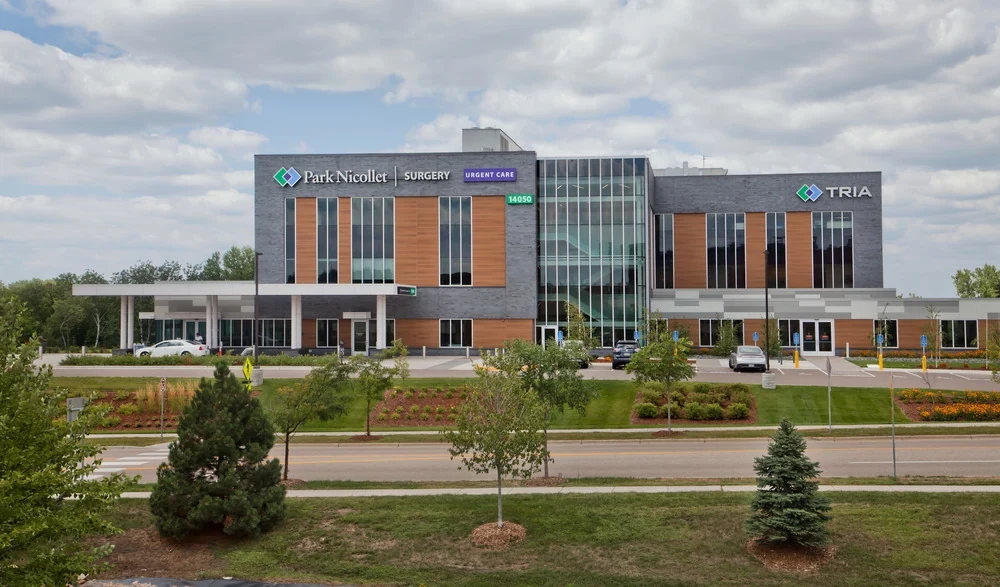
Reroofing Occupied Hospital and Medical Office Buildings
A hospital or surgery center roof can't be treated like a vacant commercial building. Interior spaces below need to stay dry, dust-free, and quiet enough not to disrupt patient care, exam rooms, or surgical schedules. We plan roof access, staging, and material hoisting routes to avoid patient entrances and sensitive department windows, and we sequence tear-off and dry-in in sections small enough that no occupied space below is ever left exposed overnight.
Medical office buildings carry their own coordination challenges even without inpatient care happening below. Tenant physician practices run on fixed appointment schedules, and a leak or noise complaint during business hours creates problems for building management well beyond the roof itself. We build noise-sensitive work windows into the schedule where a building has exam rooms directly under the roof deck.
Multi-Building Senior Living Campus Roof Programs
Lancaster County's senior living sector is built differently than most healthcare submarkets: instead of one large building, a typical campus around Willow Street or New Holland is a collection of independent living cottages, assisted living wings, a skilled nursing building, and common areas, each added at a different time with a different roof system and a different remaining life. Quarryville's retirement community follows a similar pattern on a smaller footprint.
We inventory these campuses building by building rather than quoting a single blanket number, because treating a fifteen-year-old EPDM roof over independent living cottages the same as a five-year-old TPO roof over a new memory care wing leads to either overspending on sections that don't need it yet or deferring work on sections that do.
Dust, Noise, and Infection Control on Active Healthcare Sites
Roof work generates vibration, dust intrusion risk at rooftop air intakes, and noise that carries into patient rooms below. Before work starts on an occupied healthcare building, we identify air intake locations relative to the work area, coordinate temporary intake protection or relocation of work zones with facilities engineering, and confirm which departments need advance notice of specific work windows.
- Hospital and surgery center low-slope roof replacement over occupied floors
- Medical office building membrane and coating work around tenant schedules
- Independent and assisted living building roof replacement
- Skilled nursing and memory care wing roofing
- Common area, dining hall, and clubhouse roofing on senior campuses
- Emergency leak response for occupied patient and resident spaces
This is where the submittal process matters most on a healthcare job. Facilities and infection control staff typically want documentation on dust containment methods and air intake protection before work begins, not after a complaint. We provide that as part of the standard project package.
Roof Asset Management for Capital and Reserve Planning
Healthcare facilities teams and senior living operators plan roof spending years in advance against capital budgets or reserve studies, not on a reactive, leak-by-leak basis. We provide building-by-building condition assessments with remaining-life estimates and photo documentation formatted for that kind of multi-year planning, so a facilities director walking into a budget meeting has real numbers by building rather than a general estimate for the whole campus.
For campuses with a dozen or more roof sections of varying age, this assessment work often becomes the basis for a phased replacement schedule spread across several fiscal years rather than one large project.
Coordinating with Hospital and Campus Facilities Departments
Every healthcare and senior living site has its own access rules, badging requirements, and notification chains, and we work inside those rather than asking a facilities department to work around us. That includes scheduling around planned shutdowns, coordinating crane or lift staging with security, and routing material deliveries away from resident and patient entrances.
We also keep a single point of contact on our side through the life of the project, so a facilities director isn't relaying the same access instruction to a different crew lead every week, and so questions from campus security get answered quickly rather than routed through multiple people first.
What Facilities Directors and Campus Administrators Ask Before a Project
How do you keep dust and debris out of patient care areas during a reroof?
We seal and monitor rooftop air intakes near the work zone, sequence tear-off to avoid open sections above occupied space, and coordinate directly with facilities engineering on containment before work starts.
Can you assess a senior living campus with a dozen different buildings and roof ages?
Yes. We inventory each building separately with its own condition assessment and remaining-life estimate, which typically becomes the basis for a phased, multi-year replacement plan rather than a single campus-wide bid.
Do you work during specific windows to avoid disrupting appointments or resident routines?
We can build noise-sensitive or high-traffic work windows into the schedule once we know a building's daily rhythm, whether that's exam scheduling in a medical office building or meal and activity times in a senior living common area.
What happens if a leak develops over an occupied patient or resident room?
We treat these as priority calls. We assess the source, get temporary protection in place over the affected area quickly, and schedule the permanent repair with as little disruption to that room or unit as possible.
What documentation do you provide for reserve study or capital budget purposes?
Condition assessments, photo records, and remaining-life estimates organized by building or roof section, which facilities and finance teams use to plan spending across multiple budget years rather than approving projects one at a time.
Storm Damage Documentation and Restoration Roofing in Lancaster County
Explore this commercial roofing scope
Roofing for Manufacturing, Food Processing, and Ag Equipment Plants in Lancaster County
Explore this commercial roofing scope
Roof Programs for Lancaster County Office, Retail, and Multifamily Portfolios
Explore this commercial roofing scope
Multi-Location Retail and Outlet Center Roofing in Lancaster County
Explore this commercial roofing scope