Acrylic Coatings for the Amish-Country Tourism Strip
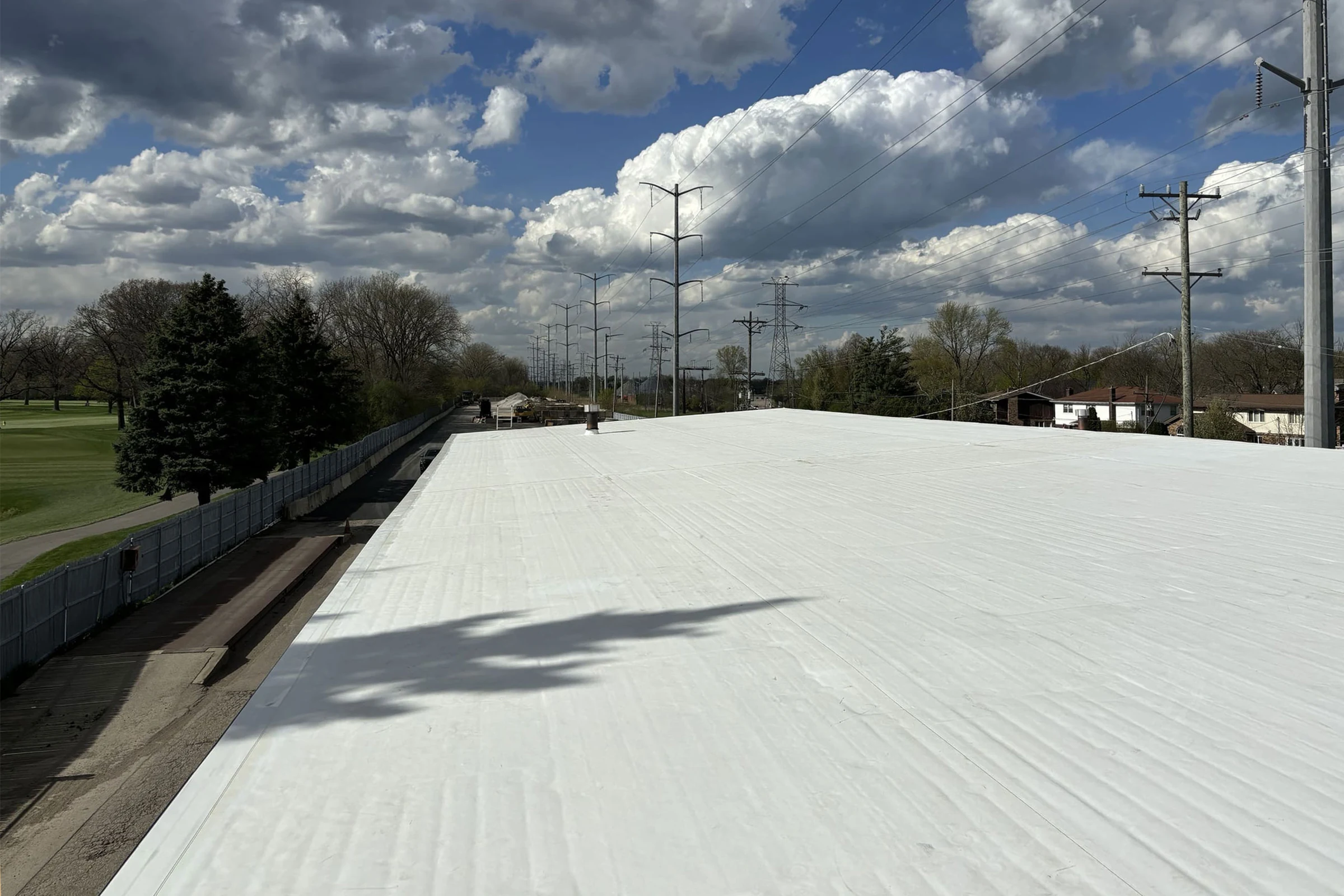
A coating recommendation starts with adhesion, moisture, drainage, membrane condition, detail preparation, and warranty eligibility-not every existing roof is a restoration candidate. Acrylic roof coatings are the budget-conscious answer for the small retail, restaurant, and hospitality buildings that make up Lancaster County's tourism belt around Bird-in-Hand, Intercourse, and Ronks. This page covers where acrylic makes sense over silicone, and how we scope restoration work for owners who need real cost control.
Bird-in-Hand and Intercourse: Small Buildings, Real Roof Value
Bird-in-Hand's farmers markets, smorgasbords, and inns and Intercourse's Kitchen Kettle Village retail complex represent a specific building type in this territory - smaller commercial structures, often with metal roofing, where a full membrane replacement is a significant expense relative to the building's overall size and value. Acrylic coating over a sound metal roof extends its service life at a fraction of replacement cost, which makes it a practical option for a lot of the tourism-district buildings in this corridor.
Acrylic performs particularly well on metal roofs, bonding to the panel surface and filling small seam gaps that develop over years of thermal cycling. On the sloped metal roofs common to a lot of these Amish-country storefronts and shops, acrylic's lower material cost compared to silicone is usually the deciding factor when the roof isn't holding standing water and doesn't need silicone's ponding resistance.
Ronks and Paradise: Attractions With Predictable Seasonal Traffic
Ronks is home to Sight & Sound Theatres and other tourist attractions that draw heavy seasonal visitor traffic, and Paradise's Route 30 tourism strip runs a similar mix of shops, restaurants, and ag-services buildings catering to that same visitor base. Roof work on these properties needs to work around peak season rather than assuming a contractor can access the roof whenever convenient. We schedule acrylic recoating projects for shoulder-season windows when visitor traffic and parking demand are lower, keeping the work clear of the property's busiest weeks.
Adamstown, known regionally as an antiques destination with its cluster of dealer markets along the turnpike corridor, presents a similar case - retail buildings where roof maintenance has to work around weekend and event-driven traffic patterns rather than a standard Monday-through-Friday commercial schedule.
What an Acrylic Coating Scope Includes
- Roof inspection to confirm the substrate qualifies for coating over replacement
- Surface cleaning and rust treatment on metal roofs before application
- Coating thickness and coverage rate specified per manufacturer guidelines
- Seam and fastener reinforcement where the metal panel shows movement
- Gutter and downspout clearing as part of the prep work
- Manufacturer warranty terms tied to coating thickness
We check for rust and existing coating failure before quoting, since acrylic applied over active corrosion or a failing prior coating doesn't hold up regardless of the new product's quality.
Acrylic Versus Silicone: Picking the Right Coating
Acrylic costs less than silicone and performs well in most conditions, but it doesn't tolerate standing water as well over time. On a sloped metal roof that sheds water quickly - the profile of most buildings in the tourism corridor - that limitation rarely matters. On a flatter low-slope roof with ponding areas, we typically recommend silicone despite the higher material cost, because a coating that breaks down under standing water creates a bigger repair bill than the initial savings justified. We walk owners through that tradeoff directly rather than defaulting to whichever product carries a better margin.
UV Exposure and Recoat Intervals
Acrylic coatings break down under UV exposure faster than silicone, which means a shorter recoat interval - typically 8 to 12 years compared to silicone's 10 to 15. For a smaller retail or restaurant building where the lower up-front cost matters more than stretching the maintenance interval, that tradeoff usually still favors acrylic. We document the expected recoat timeline in the proposal so an owner is planning for the next maintenance cycle rather than being surprised by it.
Working Around Small-Business Operating Hours
Most of the buildings we coat in the tourism corridor are independently owned shops, restaurants, and inns running on tight staffing and predictable daily hours. We schedule coating application around opening and closing times where possible, keeping equipment and material staging clear of customer parking and walkways during business hours. On a farmers market or smorgasbord building with early-morning deliveries, that scheduling conversation happens before we ever propose a start date, not after a contract is signed.
Weather windows matter as much here as anywhere else in the county. Acrylic coating needs a dry surface and a curing window without rain, and we build a few contingency days into every tourism-corridor proposal so a delayed start doesn't compress into the property's next busy weekend.
Common Questions on Acrylic Roof Coatings
Does acrylic work well on metal roofs specifically?
Yes, it's one of the most common applications we see in this territory. Acrylic bonds well to metal panels and fills small seam gaps that develop from thermal movement over time.
How much less does acrylic cost compared to silicone?
Material cost is typically lower for acrylic, though the exact difference depends on coating thickness and roof condition. We provide both options on quotes where the choice isn't obvious.
Can you schedule work around peak tourist season?
Yes, and we usually recommend it. Shoulder-season scheduling keeps roof work clear of the property's busiest weeks and avoids parking or access conflicts with visitor traffic.
What happens if a roof has rust before coating?
We treat and prep rusted areas before application. Coating over active corrosion without addressing it first leads to early coating failure regardless of product quality.
How often does an acrylic-coated roof need to be recoated?
Generally every 8 to 12 years depending on UV exposure and coating thickness. We include that expected timeline in the proposal so owners can plan the next maintenance cycle.
Condition Assessments That Feed Real Budget and Capital-Plan Decisions
Explore this commercial roofing scope
Tracing a Leak Back to Its Source Instead of Chasing the Stain
Explore this commercial roofing scope
Tear-Off and Deck-Up Replacement When a Recover Roof Is No Longer the Answer
Explore this commercial roofing scope
Sheet Metal Detail Work at the Point Where Most Roofs Actually Fail First
Explore this commercial roofing scope