Roofing for Event Venues and Production Facilities
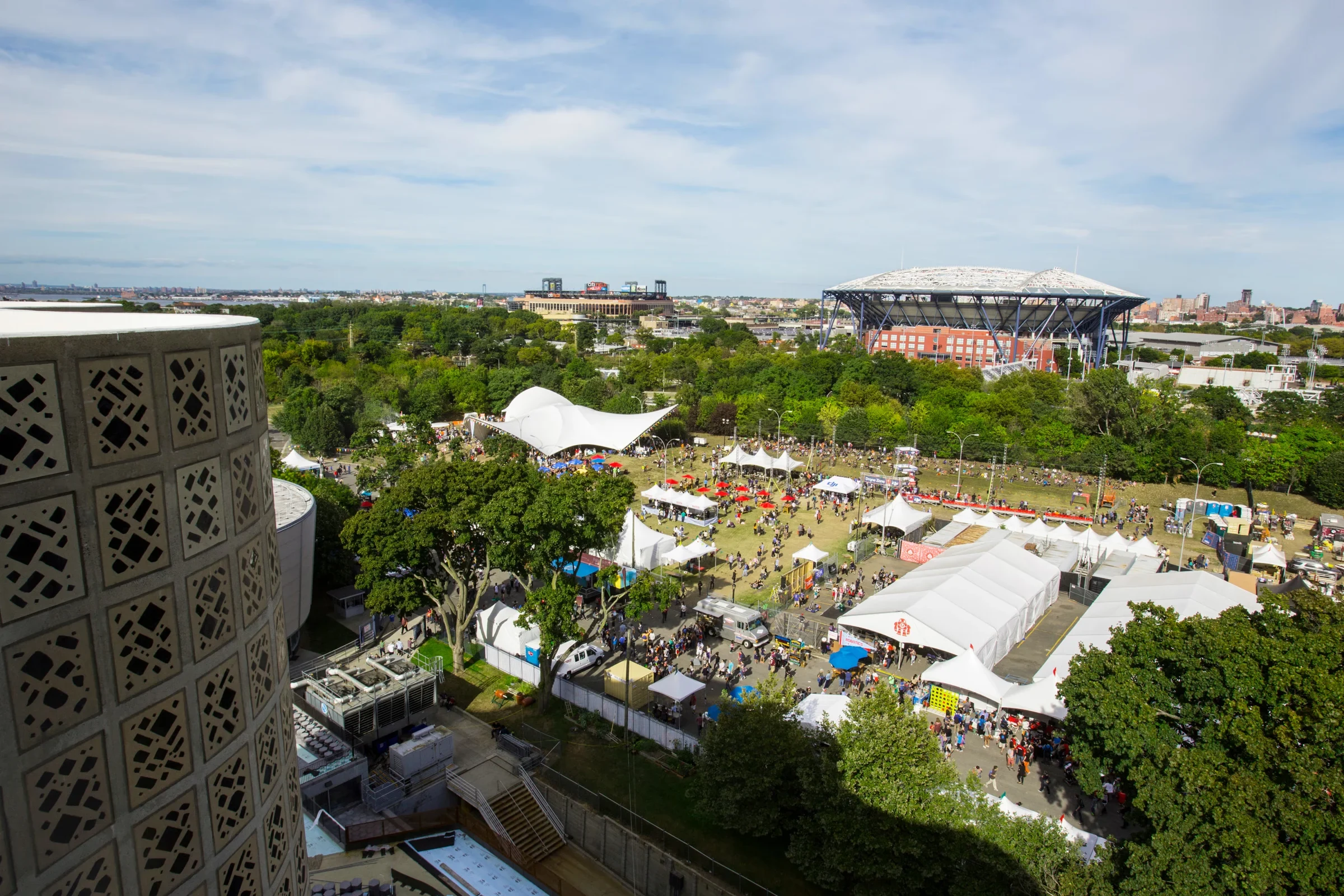
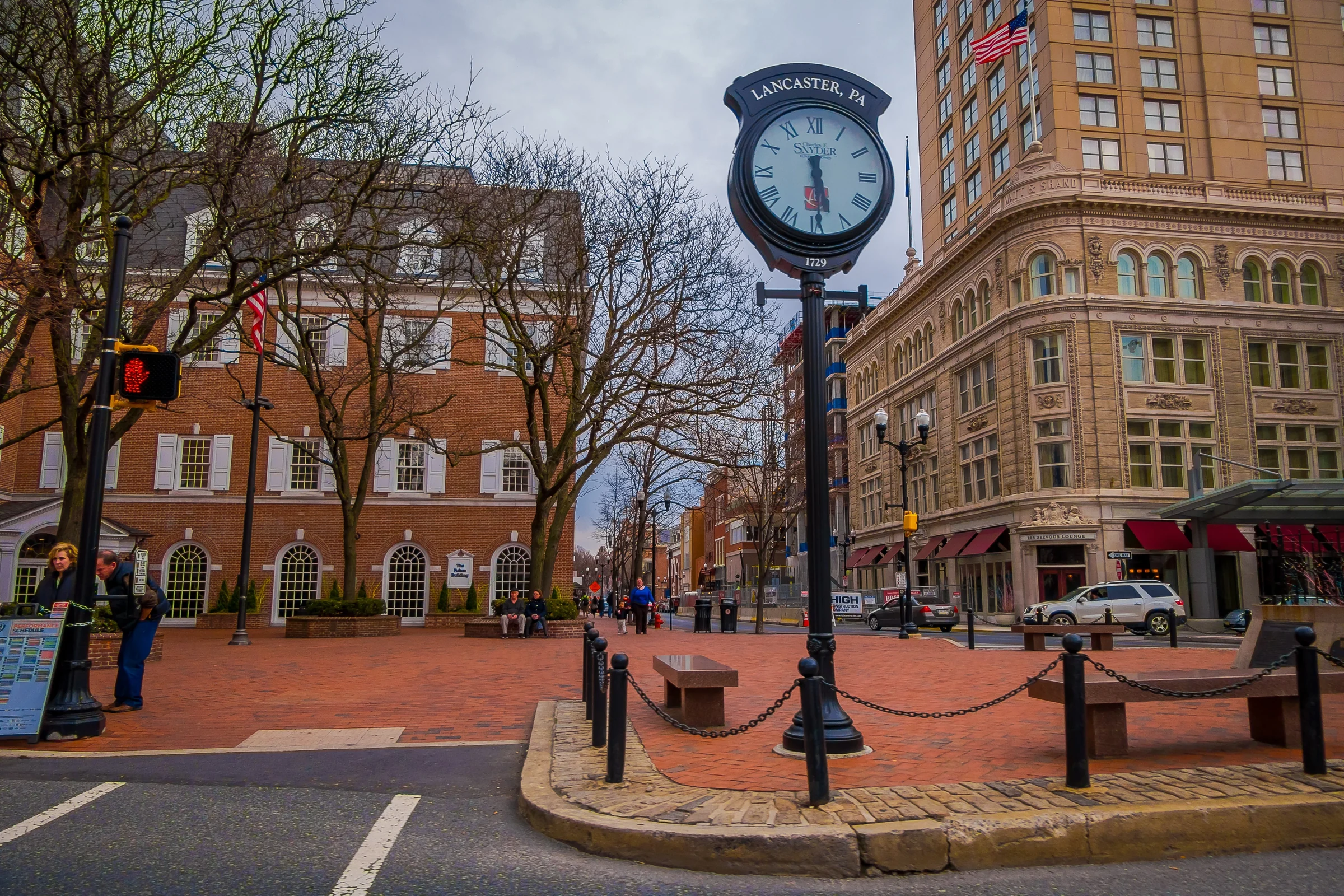
Lancaster County's event and entertainment footprint centers on the Rock Lititz production campus, home to touring and live-event production companies working with clear-span sound stages and rigging structures unlike anything else in the county, alongside downtown Lancaster's convention and theater venues and the Sight and Sound production facility in Ronks. Roofs over these buildings carry structural and scheduling demands that don't map onto a typical commercial project.
Clear-Span Structures and Rigging Load Considerations
Production sound stages and rehearsal facilities built for touring show production need clear-span roof structures that support rigging points, chain motors, and truss systems suspended from the deck above, and any roof work on these buildings has to account for load paths that were engineered specifically for that rigging capacity. We coordinate with the facility's structural engineer or production manager before any penetration or equipment addition near a rigging grid, since a curb or fastener placed without checking the load plan can compromise a point the building was specifically engineered to carry.
Acoustic isolation is another factor unique to production buildings on this scale. Roof assemblies over sound stages are often built with acoustic decoupling that a standard reroof detail would break if we're not deliberately matching the original acoustic design intent during any repair or replacement.
Vibration and Noise Sensitivity During Active Production
Touring production facilities run rehearsal and build schedules tied to show timelines that can't slip, and roof work happening overhead during an active rehearsal or equipment build needs to stay within vibration and noise limits the production team sets, not a generic construction standard. We get scheduling input directly from the facility before mobilizing, since the wrong week can put us working over a rehearsal that's rented the space at real cost to a touring production.
Downtown venues like the convention center and area theaters run a similar constraint tied to their event calendar rather than a rehearsal schedule, with load-in and load-out days, ticketed events, and back-to-back bookings that leave narrow windows for anything happening on the roof above.
Site access for any contractor working near an active production or ticketed event typically requires proof of insurance on file with the venue before a crew sets foot on the roof, and we submit our certificate of insurance and any site-specific safety documentation ahead of mobilization rather than showing up and holding up the schedule while paperwork gets sorted.
Protecting High-Value Equipment From Water Intrusion
Production venues store audio, lighting, and rigging equipment worth far more than the building's own construction cost, and a leak that would be a minor nuisance in a warehouse becomes a serious loss event over a room full of touring production gear. We treat any active leak report at these facilities as urgent regardless of where it falls in a maintenance schedule, and we prioritize temporary weatherproofing over cosmetic completion on any project happening near equipment storage or staging areas.
Humidity control tied to equipment storage also shapes roof detailing in these buildings, since some production equipment has tighter humidity tolerances than the space's HVAC system was originally designed around, and we coordinate with facility engineering when a roof assembly change could affect interior humidity conditions.
- Rigging grid load plan review before any roof penetration or repair
- Acoustic decoupling detail matching on sound stage roof sections
- Production and rehearsal calendar input before scheduling work
- Event calendar and load-in/load-out windows for downtown venues
- High-value equipment storage and staging area leak-risk zones
- Humidity tolerance coordination with facility engineering
- Emergency response protocol for active leaks over equipment areas
Submittals and Coordination With Production Facility Management
Roof capital projects at production facilities typically route through a facilities or operations director who coordinates directly with the production companies leasing space, rather than a standard property management chain, and we build our proposals and inspection reporting to work within that coordination structure. Documentation needs to be clear enough for a facilities director to justify scheduling around an active production tenant's calendar.
Downtown venue projects tied to municipal or institutional ownership sometimes carry prevailing wage requirements depending on the funding source, and we account for that in the bid rather than treating it as a late addition.
Questions Venue and Production Facility Managers Ask
How do you avoid interfering with rigging points during roof work?
We review the rigging grid's load plan with the facility's structural engineer or production manager before any penetration or repair near a rigging zone, so nothing gets placed in a spot the structure wasn't engineered to carry additional load.
Can roof work happen around an active rehearsal or production build?
We get scheduling input directly from the production team before mobilizing, and we stay within whatever vibration and noise limits they set for that specific rehearsal or build period.
How fast do you respond to a leak near equipment storage?
We treat leaks near high-value production equipment as urgent regardless of the maintenance schedule, with temporary weatherproofing prioritized over finishing any other phase in progress.
Do you account for acoustic detailing on sound stage roofs?
Yes, we match the original acoustic decoupling design intent during any repair or replacement rather than defaulting to a standard reroof detail that could compromise the room's sound isolation.
Does prevailing wage apply to downtown venue projects?
It depends on the funding source behind the specific venue, and we confirm that during the bid stage so it's priced correctly from the start rather than adjusted mid-project.
Roofing for Food and Beverage Processing Plants
Explore this commercial roofing scope
Roofing for Grocery Stores and Supermarkets
Explore this commercial roofing scope
Roofing for Hospitals and Outpatient Surgery Centers
Explore this commercial roofing scope
Roofing for Hotels and Hospitality Properties
Explore this commercial roofing scope