
Roofing for Continuing Care and Senior Living Campuses
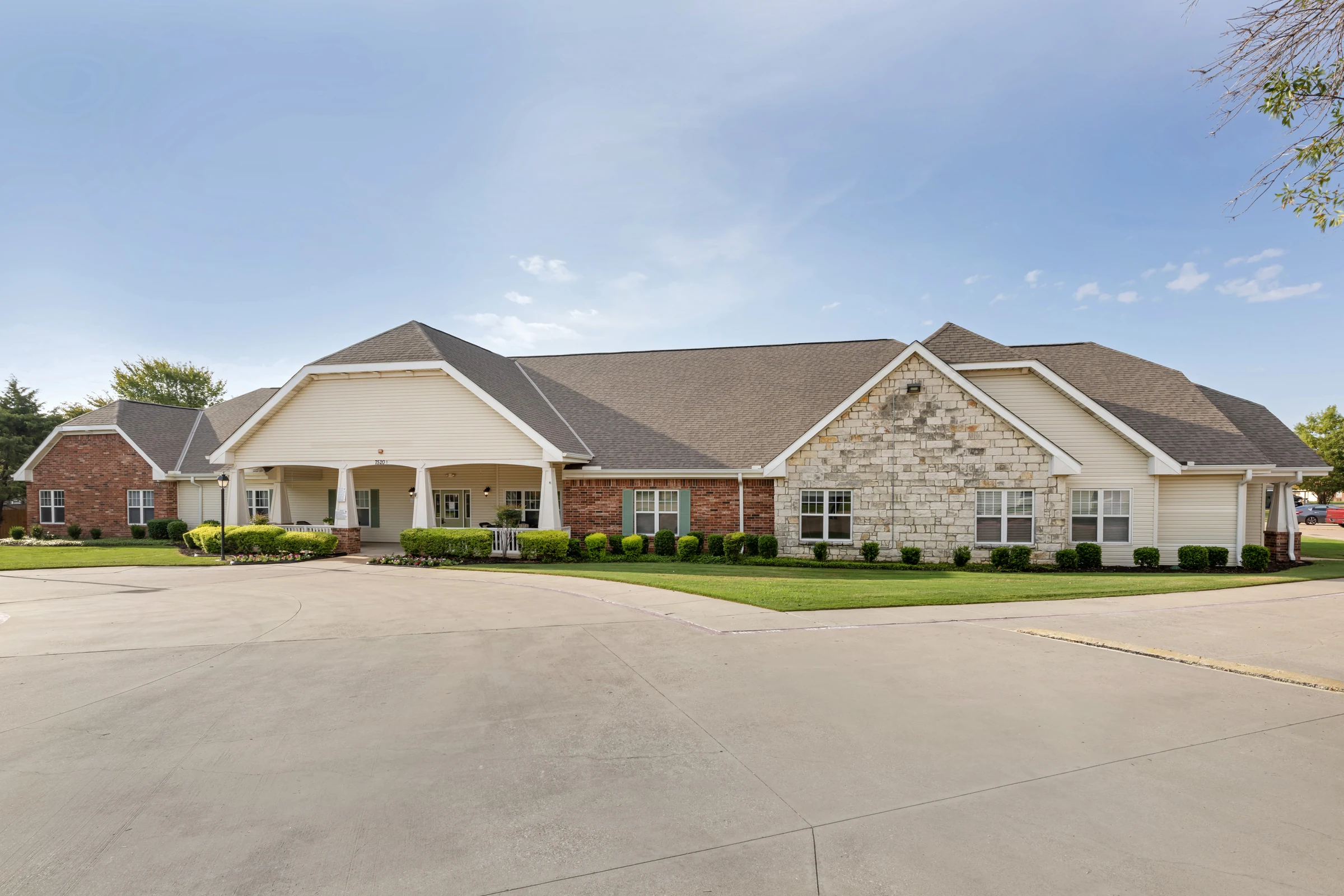
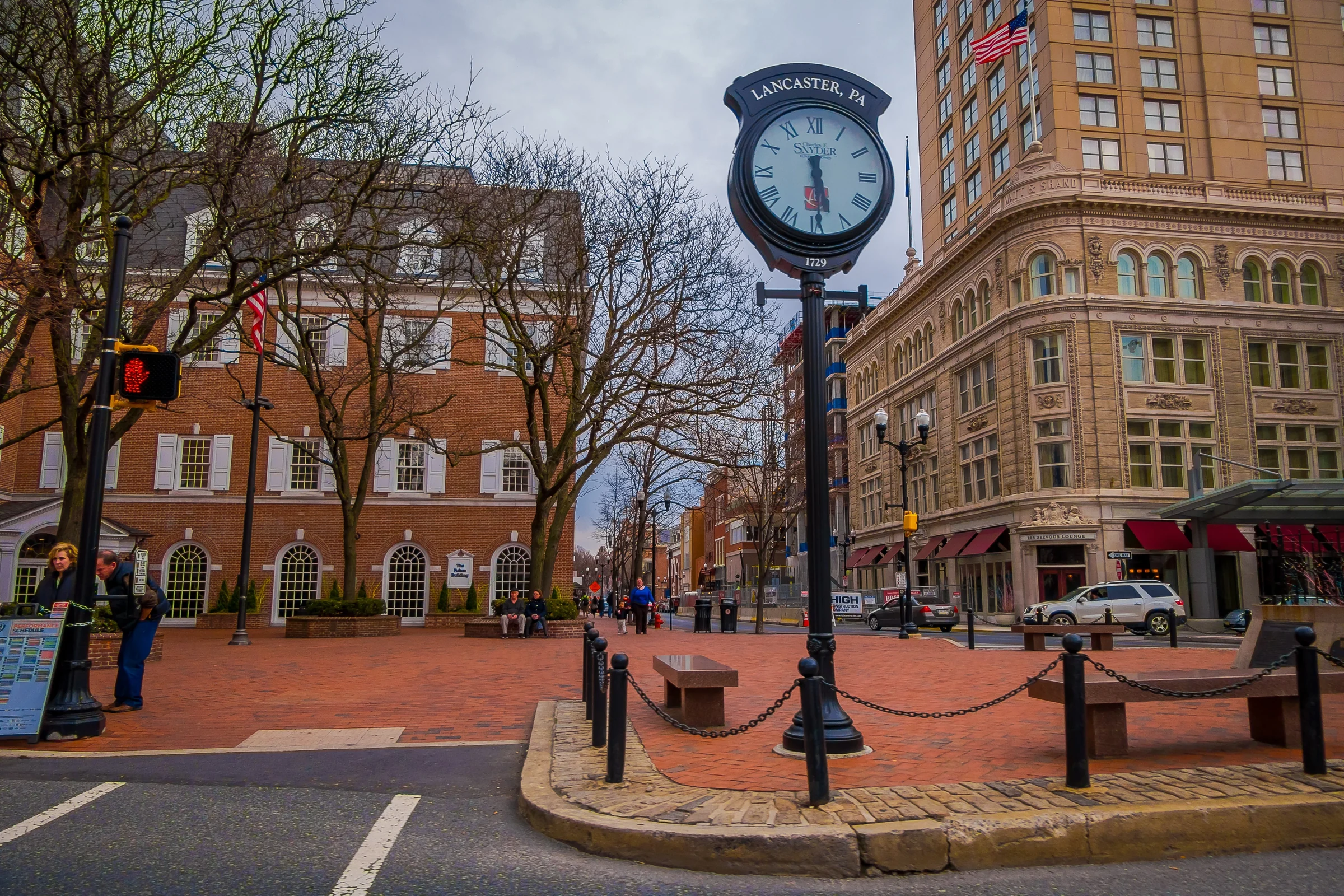
Lancaster County has one of the largest concentrations of continuing care retirement communities in the Northeast, from Willow Valley Communities and Landis Homes to Moravian Manor and the Quarryville Presbyterian Retirement Community further south. These campuses combine independent living cottages, assisted living wings, and skilled nursing buildings under one roof program, and each building type needs a different approach to phasing, access, and resident-safety planning.
Mixed Roof Types Across a Single Campus
A typical Lancaster County senior living campus carries steep-slope shingle or standing-seam roofs over independent living cottages alongside large low-slope membrane roofs over connected community buildings and skilled nursing wings. We inventory roof type, age, and condition building by building rather than treating a campus as a single project, since a cottage row due for shingle replacement and a nursing wing due for a TPO recover are on completely different timelines and budget lines.
Connector corridors between buildings, common on these campuses, often carry their own low-slope roof sections with drainage tied into adjacent buildings, and those transition zones are where we find the most recurring leak issues on older campuses, more often than the main roof fields themselves.
Memory care wings sometimes carry tighter interior temperature and humidity tolerances than the rest of a campus, tied to resident comfort standards the operator has set, and roof insulation upgrades in those buildings occasionally warrant a different specification than the general assisted living wings even when both are low-slope membrane on the same campus.
Resident Safety and Noise-Sensitive Scheduling
Construction noise, vibration, and dust carry more weight on a senior living campus than almost any other building type, since residents include people with mobility limitations, dementia-related sensitivity to disruption, and general fragility around unexpected noise. We coordinate scheduling with facility administration to avoid meal times, medication rounds, and any resident activities scheduled near a work zone, and we brief crews specifically on moving through occupied common areas without alarming residents.
Egress pathways can't be blocked at any point during a project, particularly near skilled nursing and memory care wings where evacuation planning is a regulatory requirement independent of any construction happening overhead. We map every egress route on a campus before staging equipment or material, and we keep those routes clear for the full duration of the project, including hours when no crew is actively working.
Wing-by-Wing Phasing for Continuing Care Campuses
Full-campus reroofs almost never happen in one phase on a continuing care community, both because of budget cycles and because displacing residents across an entire campus at once isn't realistic. We phase projects wing by wing, sequencing around which buildings house the most vulnerable residents and coordinating each phase's start date with the facility's own activity and care calendar.
Independent living cottage rows sometimes allow more flexible scheduling than skilled nursing wings, and we use that flexibility to absorb weather delays without pushing back into a skilled nursing phase where the schedule has less give.
Pennsylvania winter weather adds its own scheduling pressure to campus work, since a late-season snow or ice event can delay a cottage-row shingle phase in a way that a summer schedule never has to plan for. We build seasonal buffer into any project that spans the shoulder months rather than assuming a clean weather window straight through.
- Roof type, age, and condition inventoried building by building
- Connector corridor drainage and transition-zone leak history
- Egress route mapping near memory care and skilled nursing wings
- Meal, medication, and activity schedule conflicts to avoid
- Resident relocation needs, if any, for interior-access phases
- Noise and vibration limits specific to memory care buildings
- Multi-year capital plan alignment across the full campus
Capital Planning and Submittals for Campus Ownership
Continuing care operators typically run multi-year capital plans across an entire campus, often with a facilities director coordinating input from finance, resident services, and sometimes a board-level capital committee. We build our proposals to plug into that planning process, with phased pricing broken out by building so a facilities director can present individual wings for budget approval rather than a single large number that's harder to get through committee.
Warranty and maintenance documentation gets organized by building as well, since a campus with a dozen roof sections installed over different years needs records that track each one separately rather than a single blended warranty file.
Questions Facilities Directors Ask
How do you avoid disrupting residents during construction?
We schedule around meal times, medication rounds, and facility activities, and we brief crews on moving through common areas quietly and predictably rather than treating the building like an empty job site.
Can you phase a campus reroof across multiple budget years?
Yes, we typically break campus work into wing-by-wing phases tied to a multi-year capital plan, with pricing broken out so each phase can go through budget approval separately.
What causes the most leak issues on older senior living campuses?
Connector corridors between buildings, more often than the main roof fields. Those transition zones carry drainage from adjacent buildings and tend to get overlooked in routine inspections.
How do you handle egress requirements near skilled nursing wings?
We map every egress route before staging any equipment and keep those paths clear for the full duration of the project, including hours when no crew is on site, since evacuation planning near those wings is non-negotiable.
Do independent living cottages get scheduled differently than skilled nursing buildings?
Often, yes. Cottage rows can usually absorb more scheduling flexibility, which we use to buffer weather delays without pushing into a skilled nursing phase where residents have less tolerance for disruption.
Roofing for Distribution and Logistics Centers
Explore this commercial roofing scope
Roofing for Event Venues and Production Facilities
Explore this commercial roofing scope
Roofing for Food and Beverage Processing Plants
Explore this commercial roofing scope
Roofing for Grocery Stores and Supermarkets
Explore this commercial roofing scope