

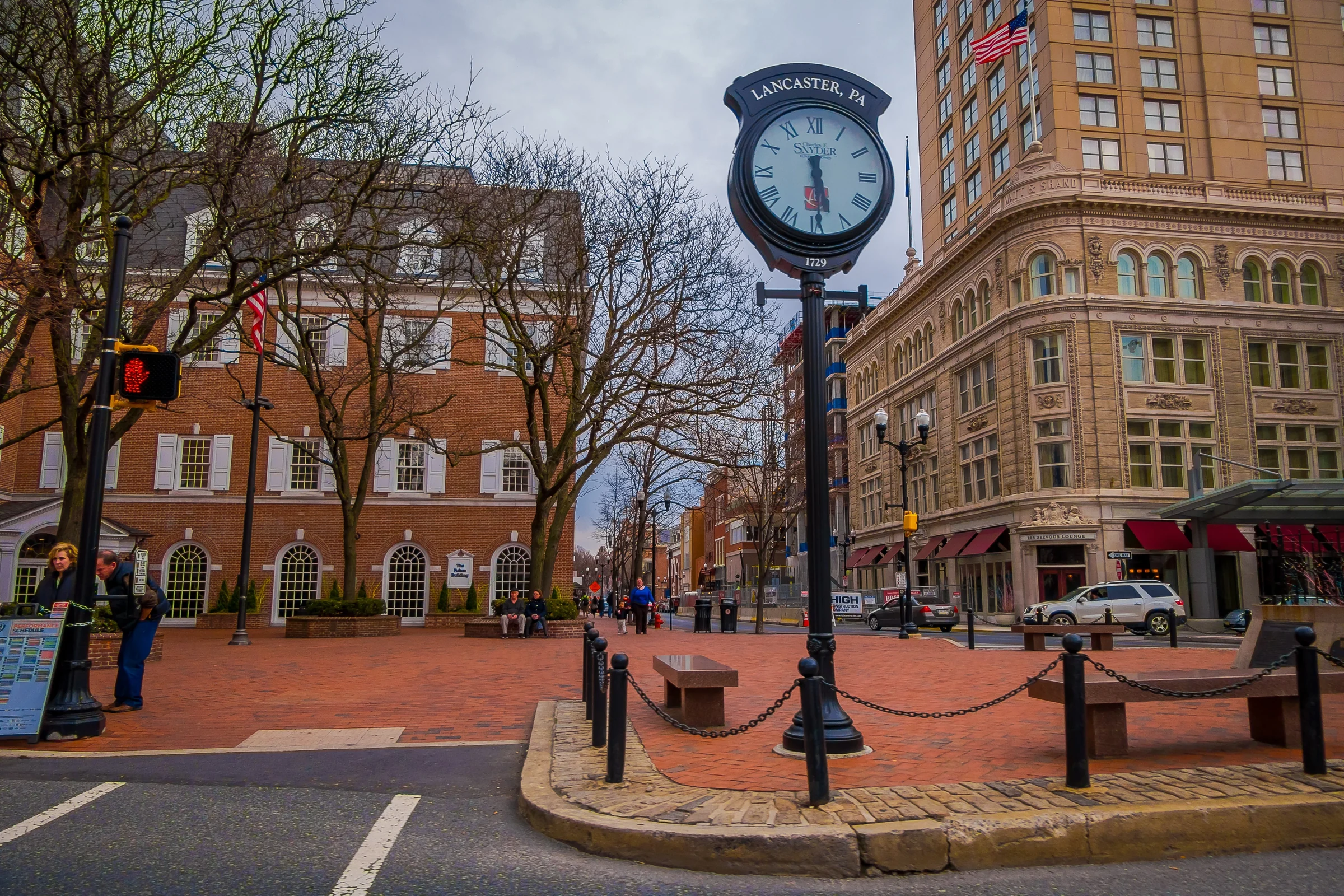
Insurance Documentation Support in Lancaster, PA
Documenting Roof Damage in a Format an Adjuster Can Actually Use
A claim moves faster when the damage is documented clearly the first time. We put together photo records, moisture findings, and written scopes for commercial roof damage across Lancaster County, formatted for an insurance adjuster's review rather than a general repair estimate.
What We Document and Why It Matters
Every documentation visit starts with a full photo record of the affected area and the surrounding roof, dated and keyed to a roof plan so the location of each finding is unambiguous. Where moisture intrusion is suspected but not visually obvious, we use a moisture meter or infrared scan to confirm the extent, since damage that looks contained on the surface can extend well beyond what is visible from a walk-through.
We also document pre-existing conditions separately from the storm-related damage where both are present, because an adjuster reviewing the file needs to be able to tell the difference between wear that predates the event and damage the event actually caused.
Writing a Scope an Adjuster Can Compare Against Their Own Estimate
- Itemized scope broken out by roof area and damage type rather than a single lump-sum description
- Quantities and material specifications an adjuster's estimating software can match against carrier line items
- Photos referenced directly against each scope line rather than grouped separately
- A clear distinction between emergency mitigation already performed and the remaining permanent repair scope
- Manufacturer and code requirements cited where they affect the scope, such as an insulation thickness upgrade required at tear-off
We write the scope this way because a report that does not map to how carriers actually evaluate claims tends to slow the process down rather than support it.
Coordinating With Agents, Adjusters, and General Contractors
We can meet an adjuster on site and walk the roof together, answer technical questions about the damage or the repair method, and provide supplemental documentation if the initial review raises questions. For owners working with an agent or a public adjuster, we coordinate scheduling and share findings directly with whoever the owner designates, rather than requiring the owner to relay information back and forth themselves.
On larger commercial claims involving a general contractor, we provide our roofing-specific scope as a component of the GC's overall project documentation, formatted to slot into their submission without rework.
Timing Documentation to the Actual Damage
Documentation needs differ by how the damage happened. A sudden event, like a wind or hail storm, benefits from documentation captured as close to the event as possible, before weather or continued use changes the site. A slow-developing issue, like a chronic leak that has been under review for months before a claim is filed, needs a different kind of record: a timeline showing when the condition was first noticed, what interim steps were taken, and how the damage progressed, since carriers often ask about mitigation efforts on claims that were not addressed immediately.
We ask which kind of situation we are documenting before the visit, so the record we build actually answers the questions a carrier is likely to raise rather than a generic damage report that has to be supplemented later, and we keep both the timeline and the photo record on file if a carrier's reviewer comes back with follow-up questions weeks after the original visit.
What We Do Not Do
We document conditions factually and describe what repair or replacement the damage requires. We do not represent to an owner what a carrier will approve, estimate a claim outcome, or suggest that documentation from us guarantees any particular result. Claim determinations belong to the adjuster and the policy, and we keep our role limited to accurate, well-organized documentation of the roof itself. For a broader look at how we support a claim from first inspection through a disputed or underpaid scope, see our commercial roof insurance claim assistance overview.
Multi-Building Portfolios and Consistent Formatting
Property management firms and insurance-restoration teams working across several Lancaster County sites at once, such as a chain of retail buildings along the Route 30 or Route 272 corridors, need documentation that reads the same way from one property to the next so a claims manager reviewing multiple files is not relearning a new format every time. We keep our photo numbering, scope structure, and reporting template consistent across every building in a portfolio for that reason.
Where damage from a single regional storm event affects several properties in the same portfolio, we can also cross-reference findings across buildings, which helps a claims team see the pattern of damage from that event rather than reviewing each site in isolation.
Documentation Questions From Owners and Property Managers
Can you document damage before we file a claim?
Yes, and doing so before repairs begin gives the clearest record of the original condition for the claim file.
Will you meet our adjuster on site?
Yes, we regularly walk roofs with adjusters and answer technical questions directly during that visit.
Do you guarantee our claim will be approved?
No. We document conditions accurately and describe the repair scope factually; claim decisions are made by the carrier based on the policy.
How is emergency mitigation documented differently from the permanent repair?
We keep the two scopes separate in the report so it is clear what temporary work was performed to limit further damage versus what the permanent repair requires.
Can you provide documentation for a claim that was already partially processed?
Yes, we can supplement an existing claim file with additional photos, moisture findings, or a revised scope if the adjuster's review raised new questions.
Commercial Roof Insurance Claim Assistance in Lancaster, PA
Explore this commercial roofing scope
Standing Seam Metal for Lititz's Production Campuses and Ag Buildings
Explore this commercial roofing scope
Repairing What Wind, Hail, and Heavy Snow Actually Do to a Flat Roof
Explore this commercial roofing scope
TPO Specs for the Turnpike-Exit Warehouse Corridor
Explore this commercial roofing scope