
Recover and Overlay Options for Multi-Year Capital Plans
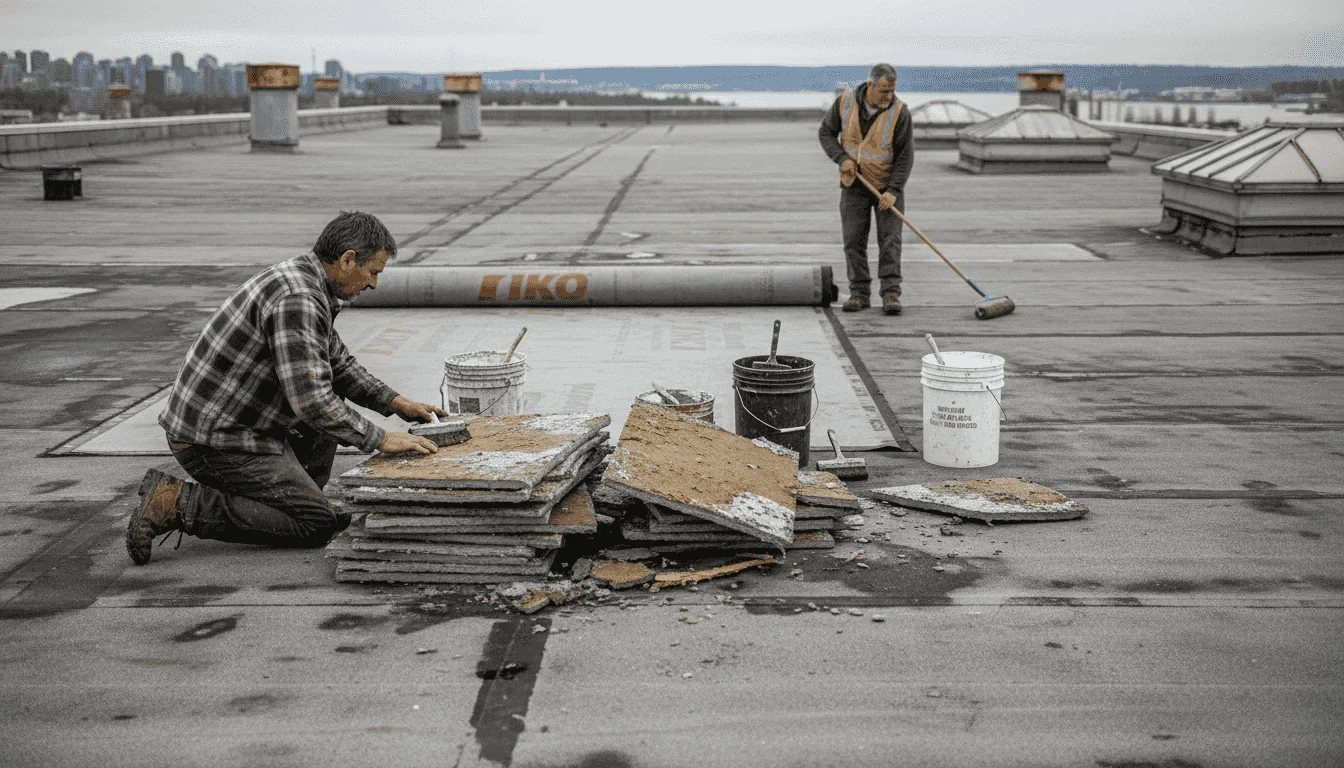
A recover or overlay lets an owner extend a roof's service life without the cost and disruption of full tear-off, and it's often the right move for institutional and hospitality clients managing roof replacement across a phased capital budget rather than one lump sum. This page covers when recover makes sense, how we sequence it across a multi-building portfolio, and what goes in the bid documentation.
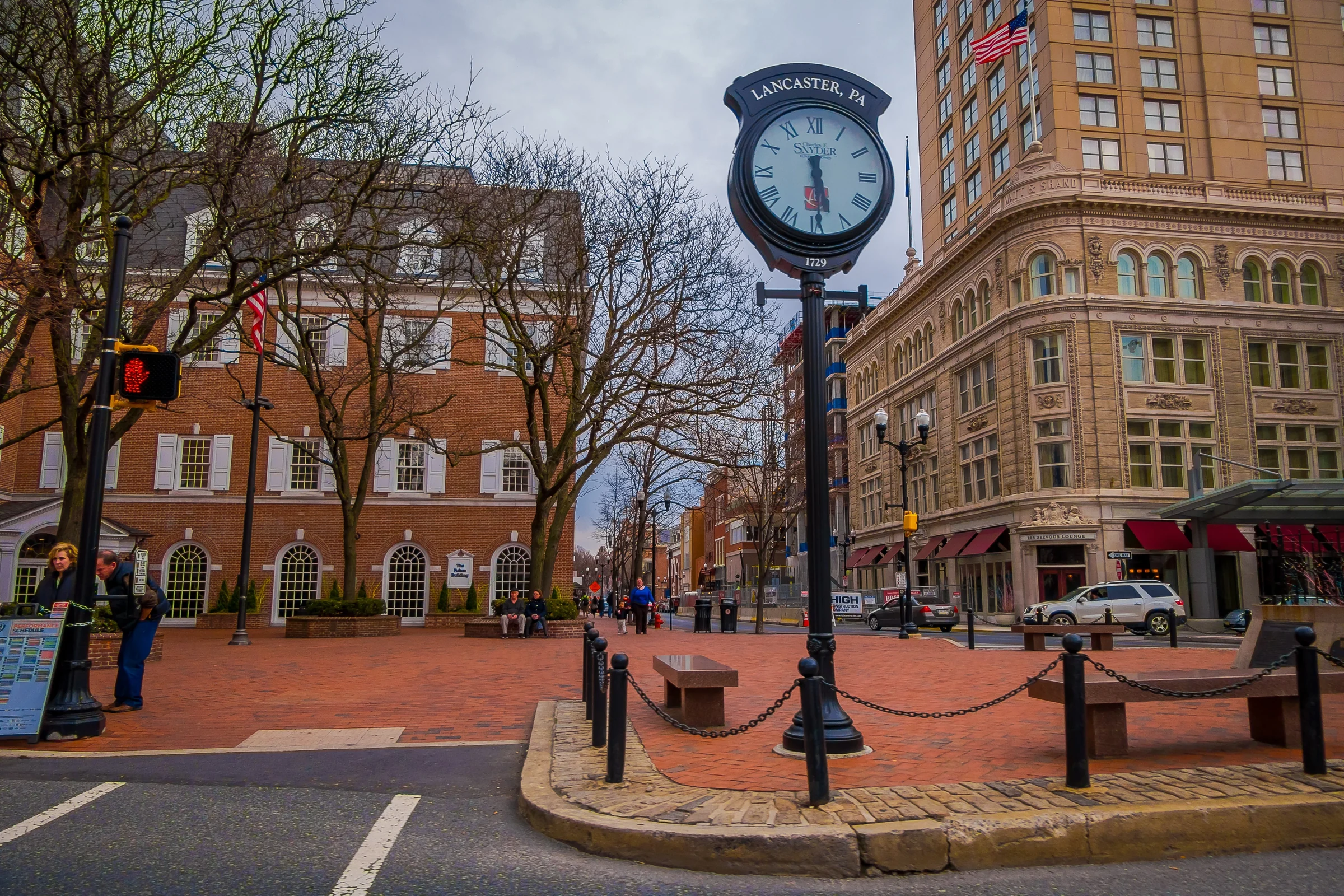
Downtown Lancaster's Hotels and Convention Buildings Run on Phased Capital Plans
The hotel and convention center corridor around Downtown Lancaster rarely has room in an annual budget for a full roof replacement across every property in a portfolio at once. A recover - new insulation and membrane installed over a sound existing roof deck without full tear-off - often costs less than replacement while still delivering a warrantied, code-compliant roof system. We evaluate every downtown hospitality property for recover eligibility before defaulting to a tear-off quote, since the capital savings can be significant when the existing deck and structure support it.
Manheim Township's office parks, the county's largest suburban commercial district, present a similar opportunity at scale. Multi-tenant office buildings under one ownership group often have several roofs approaching the same age, and recovering them on a staggered schedule tied to a capital reserve plan smooths spending across budget years instead of concentrating it into one expensive cycle.
Quarryville and the Southern County: Recover as the Practical Choice for Smaller Owners
Quarryville serves as the southern county's commercial hub, mixing ag commerce with one of the area's established retirement communities, and both building types often favor recover over replacement for straightforward economic reasons - a sound existing roof deck and manageable insulation moisture make full tear-off an unnecessary expense. We run the same eligibility check on a Quarryville retail building that we run on a downtown hotel: core cuts to confirm dry insulation, a structural review of deck condition, and an honest comparison of recover cost against replacement cost over the roof's remaining service life.
East Lampeter Township's outlet mall and hotel corridor along Route 30 runs large-footprint retail and hospitality buildings where a phased overlay approach lets an owner address roof sections in priority order - worst condition first - without shutting down the whole property for a single large project. We sequence that kind of multi-building overlay plan around occupancy and revenue impact as much as roof condition.
What Determines Recover Eligibility
- Deck structural capacity to support additional insulation and membrane weight
- Insulation moisture content, confirmed by core cut in representative areas
- Number of existing roof layers already in place
- Code compliance requirements for the recover assembly, including insulation R-value
- Remaining service life of the existing membrane and flashing details
- Manufacturer warranty terms available for a recover versus new installation
A roof that fails any of these checks - wet insulation, a deck that can't take additional load, or too many existing layers - typically needs to move to full tear-off and replacement instead. We document why in the proposal rather than quietly switching the recommendation without explanation.
Sequencing a Multi-Building Recover Program
For an ownership group managing several buildings, we typically build a priority list based on roof condition, remaining warranty coverage, and leak history rather than building age alone. The worst-performing roof in the portfolio moves to the front of the schedule even if it isn't the oldest, and buildings with roofs still performing well get pushed to a later budget cycle with a documented inspection date to revisit the plan. That approach gives a facilities committee or board a defensible sequence to present when capital budget approval comes up for discussion.
Bid Documentation for Recover Projects
A recover bid needs the same documentation rigor as a full replacement: insulation specification and R-value, membrane type and thickness, attachment method, flashing detail at every transition, and manufacturer warranty terms specific to the recover assembly rather than new construction. Some manufacturers offer different warranty terms for recover installations than for tear-off replacements, and we flag that distinction clearly so an owner isn't comparing warranty coverage that isn't actually equivalent between bids.
Common Questions on Recover and Overlay Projects
How much less does a recover cost compared to full replacement?
It varies by building, but recover typically costs meaningfully less than tear-off and replacement when the existing deck and insulation qualify. We provide both numbers when a building is a genuine candidate for either approach.
Can you recover a roof that already has two layers on it?
Usually not. Most codes and manufacturer specifications cap total roof layers at two, so a roof already at that limit typically needs full tear-off before new material goes on.
How do you sequence recover work across a multi-building portfolio?
By condition and leak history first, age second. The roof causing the most problems moves to the front of the schedule, with the rest sequenced against the owner's capital budget cycle.
Does a recover carry the same warranty as a full replacement?
Not always. Some manufacturers offer different warranty terms for recover assemblies. We identify the specific terms available before the owner compares bid options.
What happens if core cuts show wet insulation during a recover evaluation?
We shift the recommendation to replacement in that area, or the whole roof if moisture is widespread. Recovering over wet insulation traps the moisture and creates a failure that shows up sooner than the recover was supposed to prevent.
Moving Water Off a Flat Roof Before It Turns Into a Structural Load
Explore this commercial roofing scope
Silicone Restoration for Senior Living Roofs That Can't Take Downtime
Explore this commercial roofing scope
Standing Seam Metal for Lititz's Production Campuses and Ag Buildings
Explore this commercial roofing scope
Repairing What Wind, Hail, and Heavy Snow Actually Do to a Flat Roof
Explore this commercial roofing scope