
Roofing for Multi-Tenant Retail Strip Centers
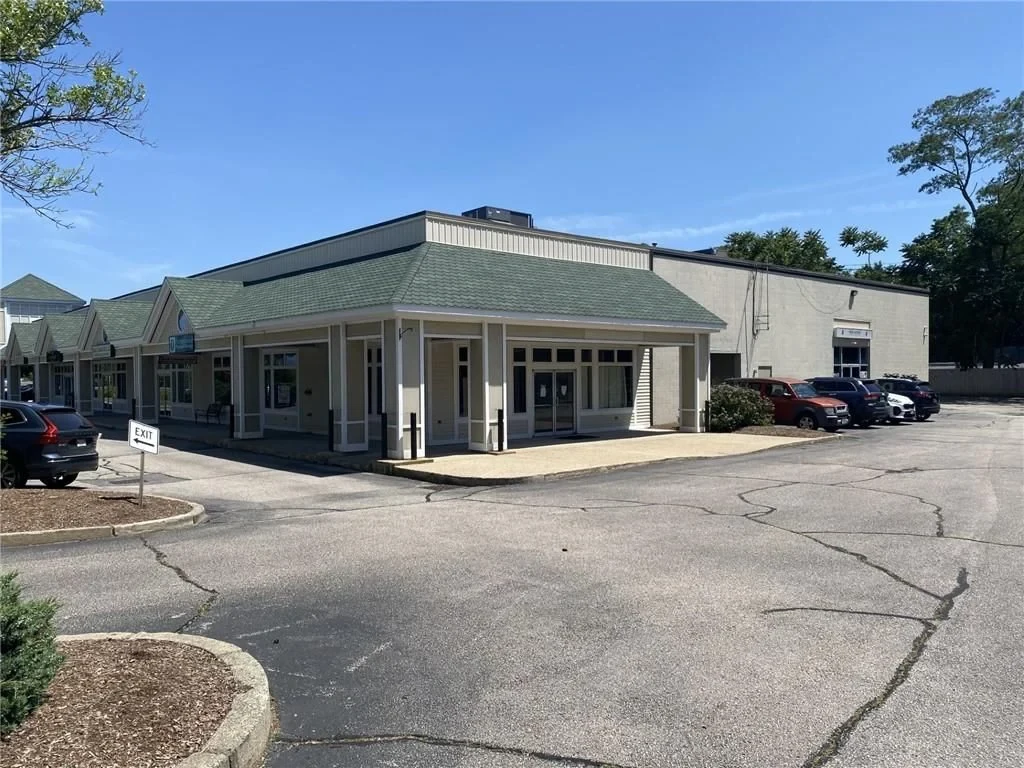
Retail strips along Route 30, Route 272, and the Belmont corridor in Manheim Township carry a mix of national tenants, regional chains, and independent shops under one roof, often built and expanded in stages over twenty or thirty years. That construction history means the roof over one end of a strip can be a different age, system, and condition than the roof over the other end, and we treat every strip center as a collection of roof sections rather than one uniform field.
Mapping Roof Age and System Across a Single Strip
A strip center that's been expanded or re-anchored multiple times usually has at least two, sometimes three, distinct roof systems patched together at transition points, and those transitions are where we find the highest concentration of leaks. Before quoting any repair or reroof, we map the strip section by section, noting where an EPDM field from an older build meets a newer TPO section, since those seams need specific flashing details rather than a standard field repair.
Landlords who inherited a strip through acquisition often don't have accurate records of what's on the roof or when different sections were installed, and our section-by-section survey usually becomes the first real documentation the ownership group has had in years.
Roof valleys formed where an anchor store's taller parapet meets a lower inline tenant section collect more water and debris than the flat run of either roof alone, and those valleys are where we see recurring ice buildup during a hard Lancaster County winter. We prioritize valley drainage and ice-dam protection in those transition zones ahead of general field repairs on any strip with a mixed-height roofline.
Common Area Versus Demised Tenant Roof Responsibility
Lease language on a multi-tenant strip typically splits roof responsibility between common area maintenance charged back to all tenants and demised space repairs that may fall to an individual tenant or stay with the landlord depending on the lease terms. That split isn't always clean in practice, especially when a leak's source is ambiguous or sits near a boundary between two tenant spaces. We document exactly where a repair falls on the roof plan so property management has a clear basis for CAM allocation or tenant billing rather than a dispute after the fact.
We also flag rooftop equipment serving a single tenant, like a restaurant's exhaust hood or a specific store's supplemental HVAC, since that equipment's condition and any related roof penetration usually belongs in a different cost bucket than general roof maintenance.
Tenant Signage and Storefront Penetrations
Retail tenants regularly add rooftop-mounted signage, satellite dishes, and additional HVAC without notifying the landlord or coordinating proper flashing, and those unauthorized penetrations are a recurring source of leaks on strip centers throughout the county. We inventory every rooftop addition during an inspection, flag anything installed without a proper curb or flashing detail, and give property management documentation they can use to enforce lease terms on future tenant improvements.
When a tenant changes over and new signage or equipment goes in during buildout, we coordinate with the incoming tenant's contractor the same way we would on a distribution center TI, so the new penetration doesn't undermine the landlord's roof warranty.
Older strip centers along Route 30 sometimes still carry rooftop satellite dishes or antenna mounts from tenants that closed years ago, left behind with no one responsible for their upkeep. We flag abandoned equipment during inspection and recommend removal, since an unmaintained mount is both a wind-uplift liability and a roof penetration nobody is tracking anymore.
- Section-by-section map of roof age, system type, and condition
- Transition points between differing roof systems on the same strip
- Common area versus demised-space responsibility per lease terms
- Unauthorized tenant rooftop equipment and signage inventory
- CAM cost allocation documentation tied to specific repair locations
- Incoming tenant buildout coordination for new penetrations
- Warranty status by section, given differing install dates
CAM Budgeting and Multi-Year Capital Planning
Property managers building an annual CAM budget need roof maintenance costs broken down in a way that supports the reconciliation process at year end, and we format our reporting so a manager can defend the line item to tenants without ambiguity about what was repaired and why. For larger capital items like a full section replacement, we help ownership separate what's appropriately a capital expense from what belongs in the annual CAM pass-through.
Portfolio owners with multiple strip centers across the county get the same section-by-section documentation on each property, which supports preventive maintenance planning across the whole portfolio rather than reactive repairs property by property.
Questions Property Managers Ask
How do you handle a strip center with several different roof ages?
We map the roof section by section and flag transition points between systems, since those seams are where most leaks originate on a center that's been expanded over time.
Who's responsible for a leak near a tenant boundary?
We document the exact location and likely source against the roof plan so property management has a clear basis for allocating the repair under CAM or the specific lease, rather than guessing.
What do you do about unauthorized tenant rooftop equipment?
We inventory it during inspection and flag anything installed without proper flashing, giving ownership documentation to enforce lease terms with that tenant going forward.
Can your reporting support our CAM reconciliation?
Yes, we format repair and maintenance documentation so it's defensible to tenants during CAM reconciliation, tied to specific locations and dates rather than a lump description.
Do you coordinate with a new tenant's buildout contractor?
Yes, the same way we would on a distribution center tenant improvement, so any new rooftop equipment or signage doesn't undermine the landlord's existing roof warranty.
Roofing for Continuing Care and Senior Living Campuses
Explore this commercial roofing scope
Roofing for Warehouses and Bulk Storage Buildings
Explore this commercial roofing scope
Roofing for Distribution and Logistics Centers
Explore this commercial roofing scope
Roofing for Event Venues and Production Facilities
Explore this commercial roofing scope