
Reroofing Plants, Warehouses, and Institutional Buildings Across Lancaster County
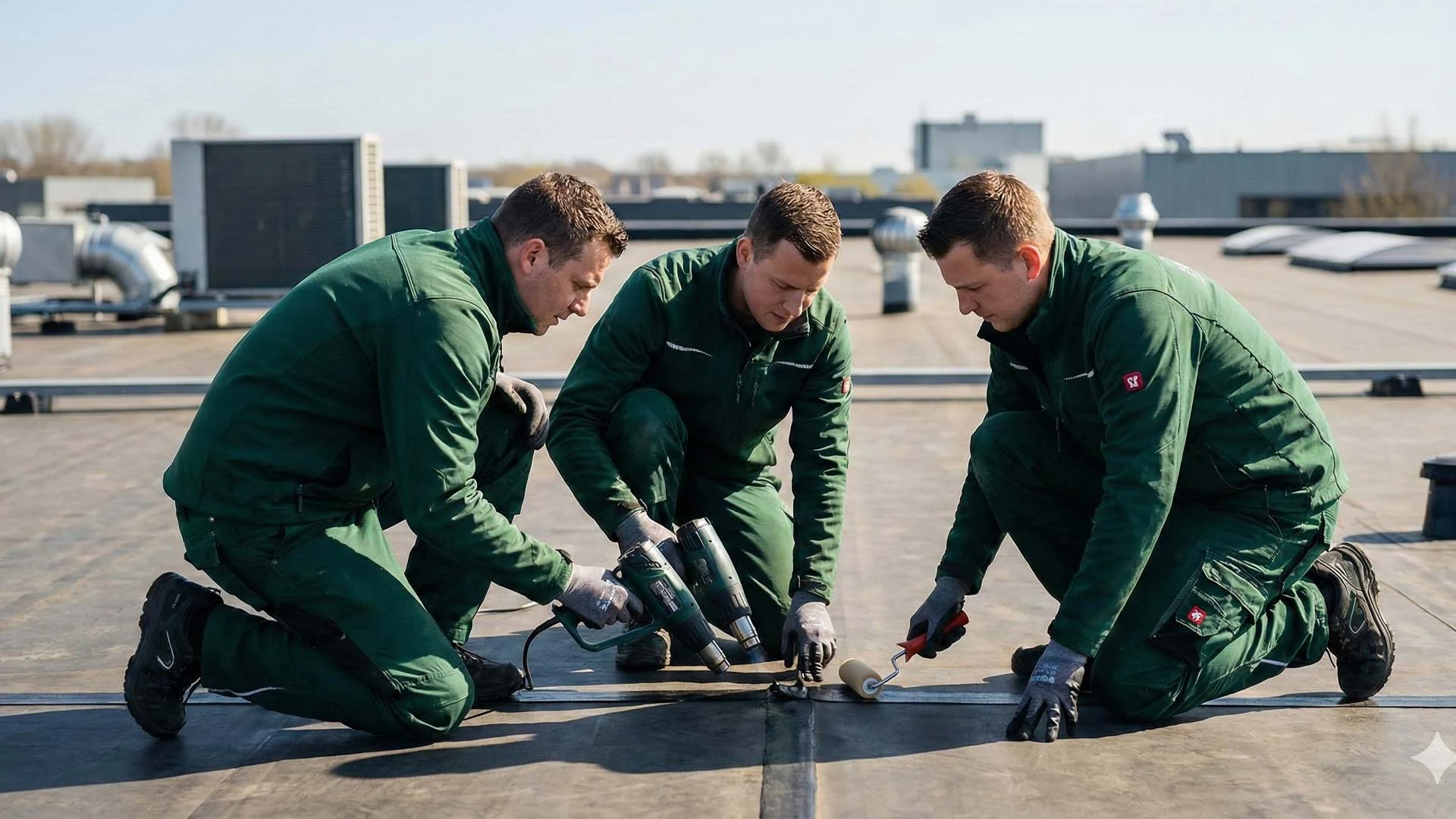
A full reroof on an operating manufacturing plant, food-processing facility, or school campus is a construction project and a logistics problem at the same time. We scope, sequence, and execute reroofs for owners and facility managers from Manheim Township office parks to the turnpike-exit warehouses near Denver, and we write our proposals so they read like the bid documents your procurement office already expects.
Reading the Roof Before Writing the Scope
Every reroof starts with a walk of the existing assembly, not a guess from a satellite photo. We pull core samples to confirm deck type, insulation condition, and how many layers are already up there, since a lot of the older manufacturing stock along the rail corridors in Columbia and Marietta has been recovered more than once. That core data drives the tear-off tonnage estimate, the disposal plan, and whether the deck needs structural attention before a new membrane goes down.
For newer metal-building warehouses near the turnpike interchange around Denver and Adamstown, the conversation is different: the deck is usually sound, and the question is insulation thickness against current energy code and whether the existing fastening pattern still meets wind-uplift requirements for that roof's height and exposure.
Bid Packages, Spec Sections, and Prevailing-Wage Awareness
Institutional owners in this county run formal procurement. We build our proposals to sit next to a Division 07 spec section without translation, and we flag ambiguities before bid day rather than during the walkthrough. If a project falls under prevailing-wage requirements, whether it is a school district reroof or a municipal facility, we account for that in the labor line before submitting, not as a change order later.
We also respond to RFIs the way a general contractor expects: in writing, referencing the spec section and drawing detail, with a turnaround that does not stall the rest of the bid schedule. For design-assist or negotiated work, we will sit in on the pre-bid meeting and mark up the roof plan with the architect if that is what the project needs.
Choosing a System for the Susquehanna Valley Climate
Lancaster County sees heavy wet snow, ice accumulation on parapets and drains, and severe summer thunderstorms that can produce straight-line wind events strong enough to lift poorly fastened edge metal. System selection has to account for all three, weighed against total installed cost rather than price per square alone.
- Fully-adhered or mechanically-fastened TPO or PVC for wide-open warehouse and distribution roofs where wind uplift resistance matters most
- EPDM where long-term flexibility in freeze-thaw cycling and a lower first cost fit the owner's hold period
- Standing seam or R-panel metal on manufacturing and ag-related buildings where snow shedding and long service life outweigh membrane cost
- Modified bitumen or built-up systems where the existing roof structure and insurance carrier expectations favor a traditional assembly
- Tapered insulation redesign anywhere ponding has been a recurring maintenance call, rather than another patch at the low point
We walk owners through the tradeoffs in plain terms and tie the recommendation back to the building's actual exposure, not a standard package we sell everywhere.
Sequencing and Site Logistics Across Different Lot Conditions
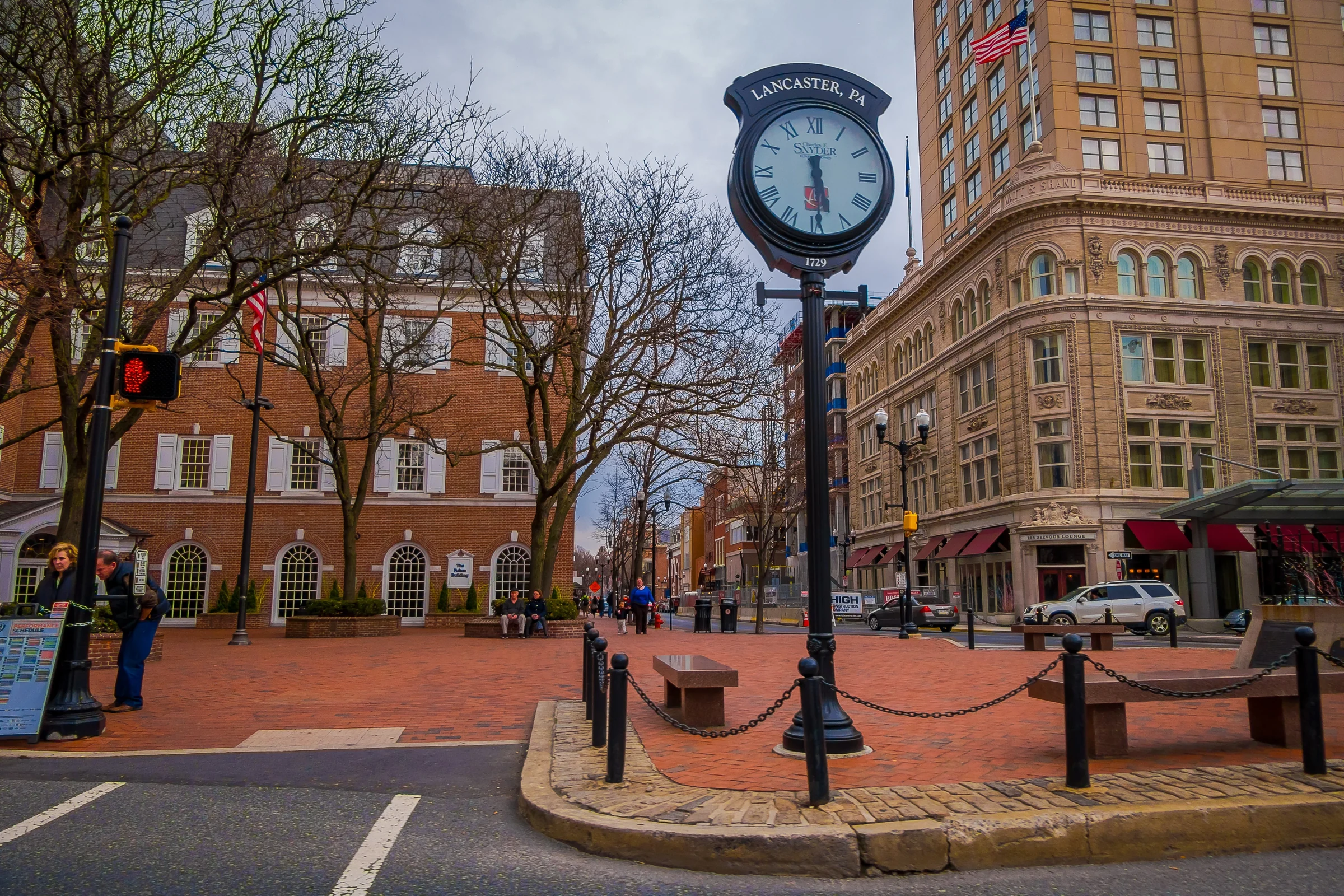
A reroof staged in a tight downtown Lancaster lot near Central Market is a different logistics problem than a reroof staged in an open truck court at a distribution building off the turnpike. Crane placement, material hoist location, dumpster staging, and dust and noise control around occupied tenant space all get worked out in the pre-construction meeting, and we put the sequencing plan in writing so the GC or owner's rep can hold us to it.
Phasing matters most on occupied buildings that cannot shut down. We break large roofs into sections, dry each section in before moving to the next, and keep a weather contingency built into the schedule so an afternoon thunderstorm does not turn into an open deck overnight.
Warranty Terms and Manufacturer Involvement
A reroof is only as good as the warranty behind it, and that warranty is only as good as the installer's standing with the manufacturer. We install within the manufacturer's approved detail set so the warranty issued matches what your procurement office actually expects to see in a closeout package, whether that is a standard material warranty or a full system warranty covering labor and material together.
On projects where the manufacturer requires a field inspection before issuing the warranty, we schedule that inspection before the crew demobilizes, not weeks later after the paperwork has already stalled. If a school district or healthcare system needs the warranty registered under a specific entity name for their facilities records, we handle that at closeout rather than leaving it as a loose end.
Common Reroofing Questions From Procurement and Facilities Teams
Do you provide a written scope that matches our spec section format?
Yes. We format proposals to map directly to the applicable Division 07 sections so your reviewer can compare line items against the spec without reformatting our submission.
Can a reroof happen without shutting down production?
Usually. We phase the work and dry in each section before the next tear-off begins, which is standard practice on food-processing and manufacturing roofs that cannot go down for a full shift.
How do you handle multiple existing roof layers?
We confirm layer count and deck condition with core cuts before bidding, then price full tear-off to deck rather than guessing at tonnage after the contract is signed.
What closeout documents do you provide?
Warranty paperwork, manufacturer inspection sign-off, as-built roof plan, and any submittal log items your GC or owner's rep requires for project closeout.
Do you work on prevailing-wage projects?
Yes, we price and staff prevailing-wage work correctly from the proposal stage rather than adjusting after award.
Standing Seam Metal for Lititz's Production Campuses and Ag Buildings
Explore this commercial roofing scope
Repairing What Wind, Hail, and Heavy Snow Actually Do to a Flat Roof
Explore this commercial roofing scope
TPO Specs for the Turnpike-Exit Warehouse Corridor
Explore this commercial roofing scope
Acrylic Coatings for the Amish-Country Tourism Strip
Explore this commercial roofing scope